

The Importance of Trash Bin Classification
2025-07-15
In today's accelerated urbanization process and increasing resource consumption, waste sorting has become a key issue in environmental governance. As the basic unit of the waste sorting system, the design and management of trash bins relate to resource recycling efficiency, pollution control, and sustainable urban development. This article systematically elaborates on the importance of trash bin classification from four dimensions: environmental protection, resource utilization, socio-economic benefits, and civilization construction.
1. Environmental Protection: Reduce Pollution, Protect Ecology
Reduce the Harm of Mixed Waste
Mixed waste easily breeds bacteria and viruses, spreading diseases (such as dengue fever and cholera). Sorting can reduce the space for harmful bacteria to grow.
Separately treating kitchen waste can avoid the production of leachate, preventing soil and groundwater pollution.
Reduce Greenhouse Gas Emissions
Organic waste landfilling produces methane (which has 28 times the greenhouse effect of carbon dioxide). Sorting and converting it into energy through composting or anaerobic fermentation can reduce emissions by about 60%-70%.
Burning chlorine-containing plastics releases highly toxic substances like dioxins; sorting and recycling plastics can reduce such pollution.
Protect Natural Ecosystems
Reduce plastic waste entering the ocean, protecting marine life from ingestion and entanglement threats.
Reduce cumulative pollution of heavy metals (such as mercury and cadmium in batteries) in soil and the biological chain.
2. Resource Recycling: Turn Waste into Treasure, Save Energy Consumption
Improve Recycling Efficiency
Sorted waste paper, metals, plastics, etc., can directly enter the reproduction industry chain, increasing recycling rates by 30%-50%.
One ton of waste paper can be recycled into 0.8 tons of new paper, saving 3 cubic meters of wood, 400 kWh of electricity, and 300 liters of water.
Promote Circular Economy
Precious metals (such as gold and silver) in electronic waste have very high recovery rates; sorting and recycling can reduce mining pressure.
Composting kitchen waste can replace chemical fertilizers, reduce agricultural non-point source pollution, and form a "resource-product-regenerated resource" closed loop.
Reduce Energy Consumption
Recycling aluminum saves 95% energy compared to ore extraction; recycling plastics saves 70%, significantly reducing carbon emissions.
3. Socio-Economic Benefits: Optimize Governance
Reduce Treatment Costs
Sorted waste volume decreases by 20%-30%, reducing transportation and landfill costs.
Reduce incineration plant processing volume, extend equipment lifespan, and lower maintenance costs.
Improve Green Industry Development
Stimulate emerging industries such as waste sorting services, recycled resource processing, and environmental equipment manufacturing, creating jobs.
Promote innovation in waste treatment technologies, such as intelligent sorting equipment and biodegradable material research.
Enhance Urban Management Level
Setting up sorted trash bins guides residents to develop environmentally friendly habits and reduces littering.
Optimize collection routes through waste composition analysis, improving municipal service efficiency.
4. Civilization Construction: Cultivate Awareness, Shape the Future
Enhance Public Environmental Awareness
Sorting behavior forces residents to learn environmental knowledge, forming a sustainable lifestyle model of "reduce-sort-recycle."
Community waste sorting publicity can increase resident participation and enhance social responsibility.
Promote Intergenerational Sustainable Development
Educate children to participate in sorting practices, cultivating the next generation's environmental values.
Through campus waste sorting demonstration projects, influence families and society.
Enhance International Image and Competitiveness
Improving the sorting system aligns with environmental trends and enhances city attractiveness.
Add points to corporate ESG (Environmental, Social, Governance) ratings and promote green trade.
5. Implementation Challenges and Solutions
Challenges: Weak resident sorting awareness, complex sorting standards, insufficient backend processing capacity.
Countermeasures:
Simplify sorting standards: adopt "binary" (recyclable/non-recyclable) or "quaternary" (kitchen waste/recyclable/hazardous/other) methods combined with graphic labels.
Empower with smart technology: promote AI-recognition trash bins and overflow monitoring sensors to improve sorting accuracy and collection efficiency.
Policy incentives: implement a "waste sorting points redemption system" and moderately punish improper disposal behaviors.
Full-chain collaboration: establish an integrated system of sorting, collection, transportation, and treatment to ensure sorting results are not wasted.
Conclusion
Trash bin classification is not only a technological innovation but also a symbol of social civilization progress. It requires us to reduce waste generation at the source, sort accurately during the process, and realize resource utilization at the end. Through the collaboration of government guidance, enterprise participation, and public action, waste sorting will truly become an engine driving green transformation. In the future, with the deep integration of technologies such as the Internet of Things and big data, intelligent sorting trash bins will become important nodes in smart cities, opening new paths for harmonious coexistence between humans and the Earth.
Previous
Next
Related Blogs

Service Hotline:
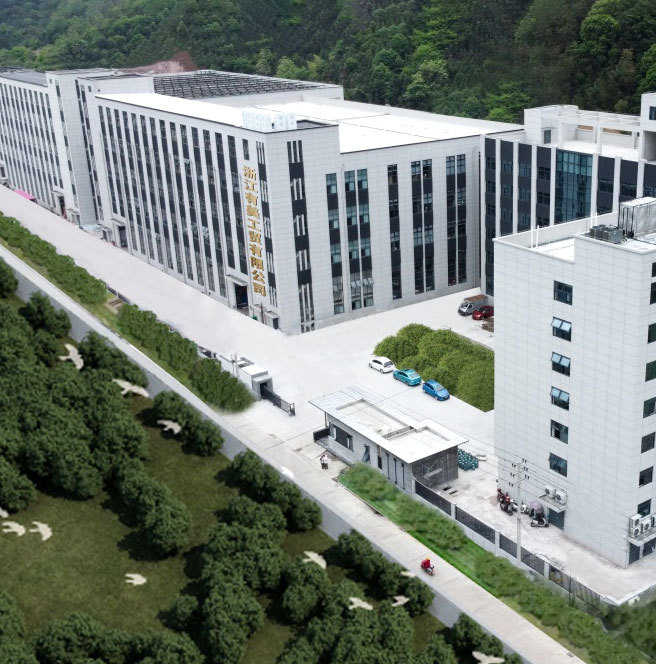
Zhejiang Youmei Industry and Trade Co., Ltd.
Mobile:8618057977213
Contact: Manager Yu (Zhejiang, Shanghai, Northeast)
Address: No. 36-1, Jin San Road, Quanxi Town, Wuyi County, Zhejiang Province
Copyright © 2025 Zhejiang Youmei Industry and Trade Co., Ltd. All rights reserved
Tel:
Tel:
在线客服添加返回顶部
启用全局默认滚动动画 (向上滚动)
右侧在线客服样式 1,2,3 2
图片alt标题设置: Zhejiang Youmei Industry and Trade Co., Ltd.
CSS / JS 文件放置地